
Walking with a child from the street back to hope.
At Mtaani Foundation, we do not believe in giving a child help for only one day and walking away. A child on the street needs to be seen, heard, protected, loved, and guided toward a safer future.
That is why our work follows every child step by step, from the first moment we meet them on the street, through rescue, care, healing, education, family tracing, reunification, and continued follow-up.
Our goal is simple: to help each child move from danger to safety, from loneliness to belonging, and from the street back to hope.
How We Walk With Each Child
Our work follows a careful pathway that helps a child move from street life to safety, healing, family connection, and long-term support.
Find and Protect
- 1Street Outreach
- 2Child Assessment
- 3Rescue and Safe Referral
We meet children where they are, listen to their stories, assess immediate risks, and respond where protection or safe referral is needed.
Heal and Prepare
- 4Rehabilitation and Counselling
- 5Education or Skills Support
We support children with care, counselling, life skills, learning, and preparation for a safer and more stable future.
Reconnect and Support
- 6Family Tracing
- 7Reintegration and Follow-up
We trace safe family connections, support reunification where appropriate, and continue follow-up to reduce the risk of a child returning to the streets.
At every stage, the child's safety, dignity, voice, and best interests guide the decision.
Street-connected children often face hunger, violence, abuse, neglect, addiction, illness, fear, and isolation. Some have lost family support. Others have run from unsafe homes. Some are simply searching for food, protection, or belonging.
We do not treat reintegration as a one-time event. Returning a child to family or community must be carefully assessed, prepared, supervised, and followed up. The goal is not only to remove a child from the street, but to help the child heal, learn, reconnect, and thrive in a safe environment.
Our guiding principles
- The best interests of the child, first and always.
- Child protection and safeguarding standards.
- Family-based care, not institutions.
- Confidentiality and dignity for every child.
- Faith-inspired compassion in everything we do.
Meeting children where they are
Our work begins on the streets, where our outreach team and volunteers identify, engage, and build trust with children living or working in vulnerable situations. We listen before we act, and we approach each child with dignity, patience, and respect.
We identify children in high-risk street locations, build relationships through repeated contact, provide basic support where appropriate, note urgent protection risks, and record initial information safely.
Many children on the streets have been hurt, rejected, or let down by adults. Trust cannot be forced. Outreach gives the child a first experience of care, safety, and hope.
Understanding each child's situation
Before deciding the right support, we take time to understand each child: their needs, risks, health, background, and family situation. No two children arrive by the same road, so no two plans look the same.
We gather the child's story with care, assess protection and health risks, consider the family situation, and work out the safest, most appropriate next step for that child.
Good decisions depend on good understanding. Assessment keeps the best interests of the child at the centre and avoids rushing a child toward the wrong outcome.
Moving a child from danger to safe care
Where a child is exposed to serious risk, we work to move them from danger toward safety. Mtaani does not run its own shelter. When a child is ready, we connect them to temporary safe care through trusted shelter and child protection partners, coordinating with the relevant authorities where required.
We confirm the child's immediate safety needs, coordinate with appropriate authorities or care providers, arrange safe transport, and refer the child to a trusted shelter or care partner for temporary protection.
A child cannot begin healing while still exposed to danger. Safe referral gives immediate protection while the longer-term plan takes shape.
Helping children heal and regain confidence
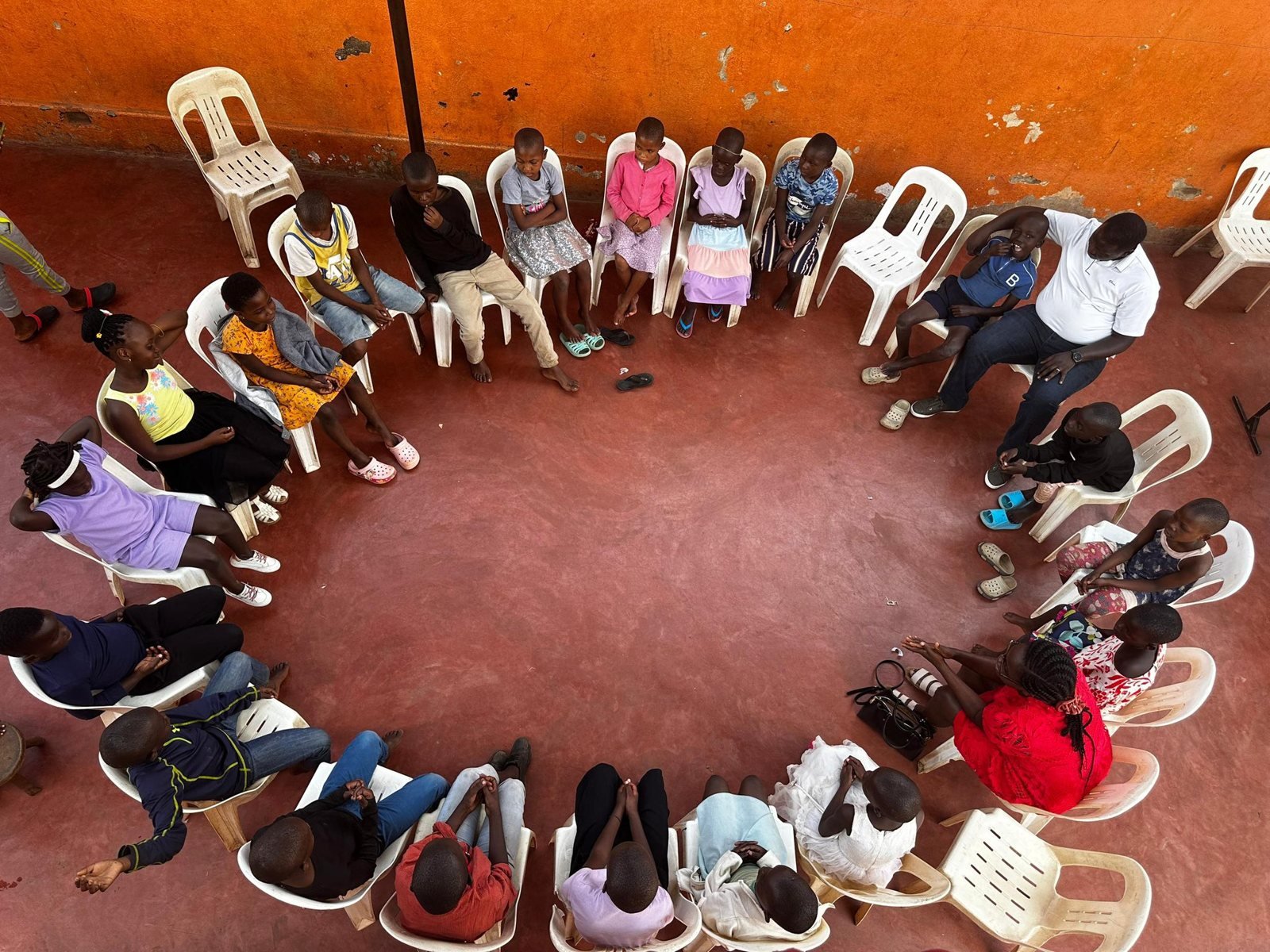
Rehabilitation focuses on the child's emotional, social, spiritual, and physical wellbeing. Many street-connected children carry trauma, fear, anger, grief, or mistrust, and some struggle with substance use or poor health. We support the child to begin healing and rebuilding confidence.
Working with our care partners, the child receives counselling, mentorship, life-skills support, spiritual encouragement, health-care referrals, and recreation, alongside preparation for school and family reconnection.
Rescue alone is not enough. A child needs time, guidance, and love to recover from street life and prepare for a safer future.
Searching for safe family connections
Where it is safe and appropriate, children belong in families and communities. Before any reintegration, the team works to trace parents, relatives, guardians, or other safe family connections. Tracing is done carefully, because not every home is immediately safe to return to.
We collect family information from the child, contact possible relatives or community leaders, visit the family or community where possible, verify relationships, and assess safety concerns.
A child should not be returned to a harmful environment. Family tracing helps us understand whether reintegration is safe, possible, and in the best interests of the child.
Restoring the right to learn
Education is one of the strongest pathways out of street life. Many children we support have missed school, dropped out, or never had consistent access to learning. We help children return to school or, for older children, begin vocational and life-skills training.
We assess the child's education level, support school placement where possible, provide scholastic materials, help with school fees where resources allow, offer tutoring or catch-up learning, and support skills training for older children.
Education restores confidence, opens opportunities, and gives children a renewed sense of purpose. It also reduces the risk of returning to street life.
Returning home safely, and staying close
Reintegration returns a child to family or community care where it is safe, appropriate, and in the child's best interests. Where return to family is not possible, we look for safe family-based care, in coordination with child protection authorities where required. We do not treat reintegration as a single handover, and our responsibility does not end at the door.
We prepare the child and family, address the concerns that led to separation, agree a plan, conduct a supervised handover, and then follow up, checking on the child's safety, school attendance, health, and adjustment, and stepping in early if new risks appear.
A child may feel excited, afraid, or uncertain about going home, and families often need guidance and support. Careful reintegration and steady follow-up protect the progress made and reduce the risk of a return to the streets.
At every stage, we commit to:
Putting the best interests of the child first.
Protecting children from harm, abuse, exploitation, and neglect.
Respecting each child's dignity, story, and voice.
Working with families and communities where it is safe to do so.
Keeping children's information confidential and protected.
Using donations responsibly and transparently.
Every stage needs people, resources, time, and care.
Your support helps us reach children on the streets, support safe care and rehabilitation, trace families, return children to school, and follow up after reintegration.
Your gift can help provide
- Meals and basic care.
- Medical support and hygiene items.
- Temporary safe care through partners.
- Counselling and rehabilitation support.
- School fees and scholastic materials.
- Family tracing and reintegration transport.
- Follow-up visits and reintegration support.
A child's journey from the street to safety is possible when people choose to act.
Whether you give, volunteer, pray, partner, or share our work, you become part of a child's pathway to healing, family, education, and hope.